
Relax Your Butt
Give Your Butt a Room of Its Own

We are tight-assed people, and we need to let go.
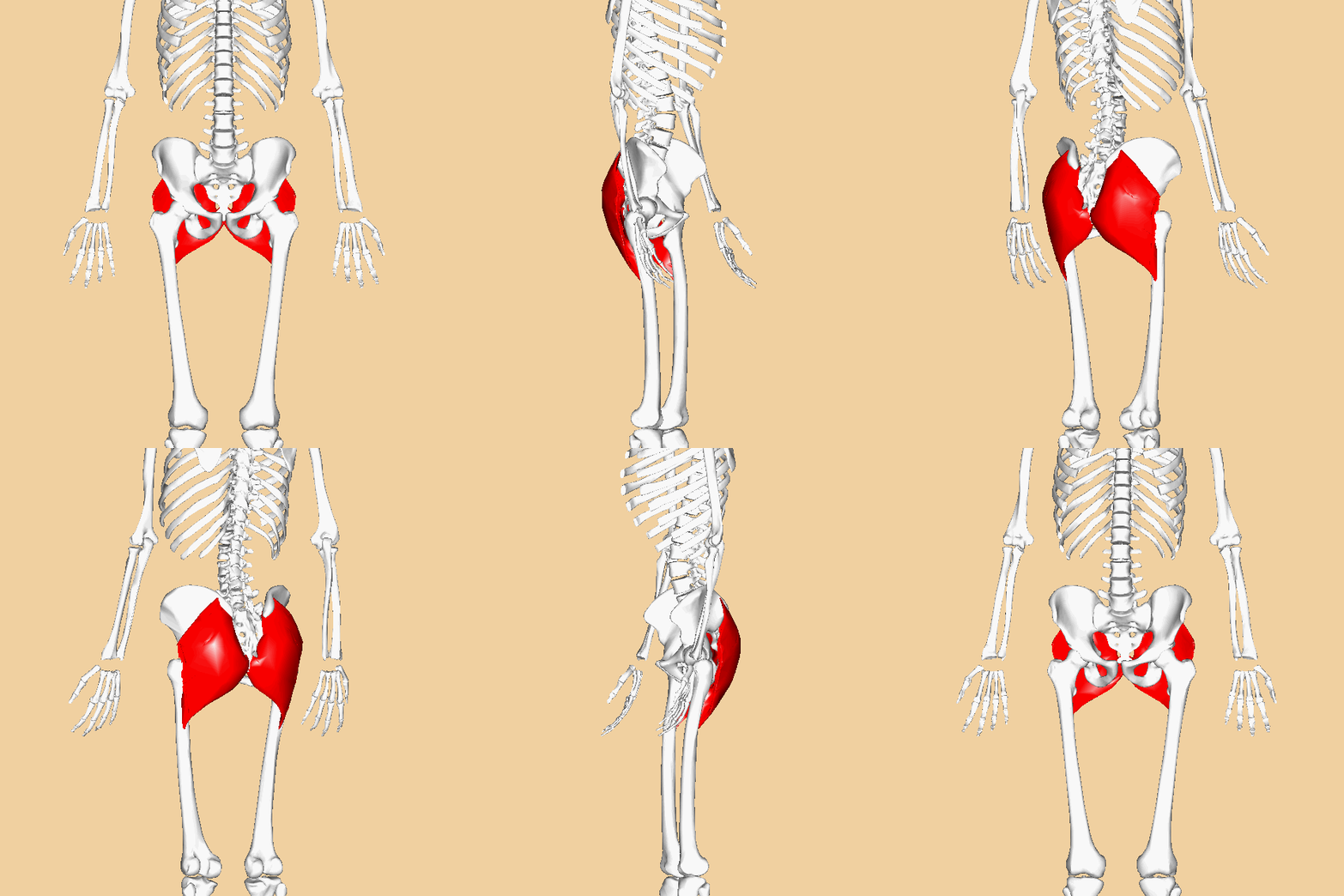
Your butt — the big gluteus maximus muscle — is designed to do almost nothing while you’re standing still. It doesn’t even do much while walking on level ground, only really kicking in when you climb stairs or head uphill. Of course, if you’re at the gym doing squats or other extension exercises, your glutes are working hard. But in standing, they should be off duty.
That’s my first and most important instruction: relax your butt.
The payoff for doing so is huge. Energetically, the main nerves connecting the brain to the legs pass deep beneath the gluteal muscles. When the gluteus maximus is tight, it often forces the underlying muscles — the gluteus medius, minimus, and especially the piriformis — into dysfunction. The piriformis lies directly over the sciatic nerve, the longest nerve in the body, which supplies a great deal of energy to the legs.
Relax your butt, and the other pelvic muscles can find a happier home. Relax your butt, and the nerves will follow better, providing more energy to the lower limbs. Relax your butt, and your spine might finally sit more easily atop your pelvis. A tight butt pulls down on the back of the pelvis, tucking it under and flattening the lower back.
In general, it’s better to be soft than hard. When your pelvis is in the right position, your butt releases naturally. That’s one of the beautiful things about good posture and alignment — when the bones are in place, the muscles can do their jobs as designed.
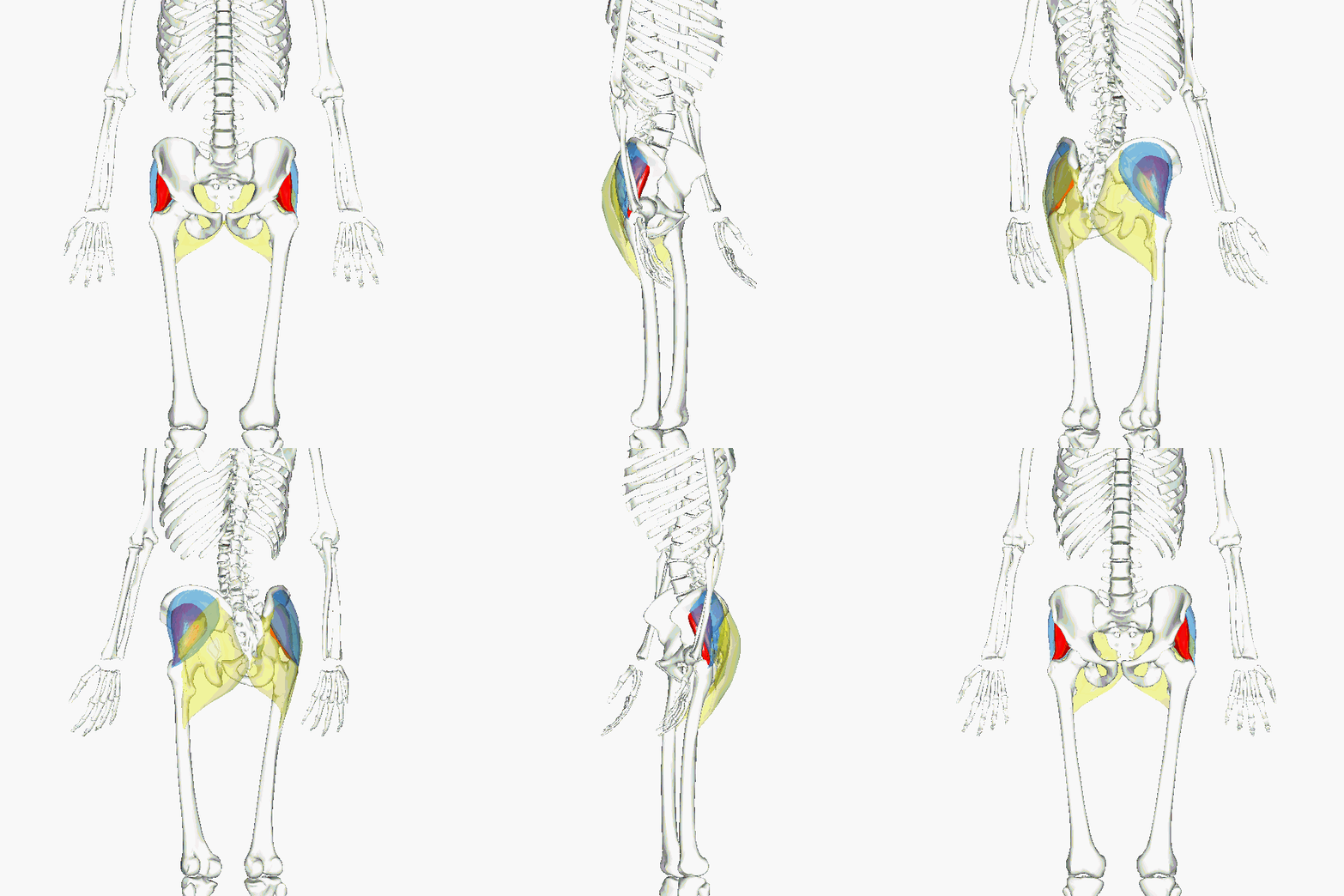
To find this balance:
Stand up and feel what your butt is doing when you think you’re standing straight.
Then, very slightly shift your thighs back, or tilt the top of your pelvis forward — just enough to lift your butt up a tiny bit. Feel what happens to your gluteus maximus.
Try rotating your pelvis forward and back until you find the spot where your butt feels most relaxed. That’s the beginning of good alignment.
This proper pelvic position may not come easily, even once you understand it. Old habits and tight muscles can resist change. But awareness is the first step, and your body will gradually adapt.
Now, here’s another cue — one of my favorites: give your butt a room of its own.
The gluteus maximus is a distinctly human muscle. It’s what brought us up from all fours to standing. Think about your pets or a horse or a cow — four-legged creatures don’t have big butts. We do. And since we have these big, beautiful muscles, we need to use them well and treat them kindly.
Using them well means walking correctly so they work as designed and standing in a way that allows them to rest when they should.
Come to stand with your feet a couple of inches apart and parallel. Feel what your butt is doing. Most of us are almost always “on” — gripping and holding ourselves up with the glutes. That’s not how they’re meant to function.
Experiment. Turn your glutes on and off. Notice the difference. Then, as you stand, feel the spot where your butt meets the back of your thigh — where the hamstring begins. Most people let the butt hang down, resting on the backs of the legs. That’s not what we want. Instead, take your thighs back a little, or tilt your pelvis slightly forward until your butt feels lightly lifted — as if it has a bit of space underneath it. That gentle lift gives your gluteus maximus a “room of its own,” freeing it from unnecessary work while keeping it relaxed and alive.
That’s what I mean by giving your butt a room of its own.
If you compare this position to the relaxed butt from earlier, you’ll notice they’re the same. When you relax your butt, you create the space it needs — its own room — within a balanced pelvis.
Finding this correct pelvic alignment is key to developing a healthy, balanced body. Once your pelvis finds its true position, the rest of your structure — the spine, the legs, and all the muscles that connect to the pelvis (there are 36 of them!) — can begin to organize themselves around it.
So, relax your butt. Give it a room of its own. And let your body find its natural balance from the ground up.